
Living the Italian Dream: A Step‑by‑Step Guide to Buying Property in Italy
News
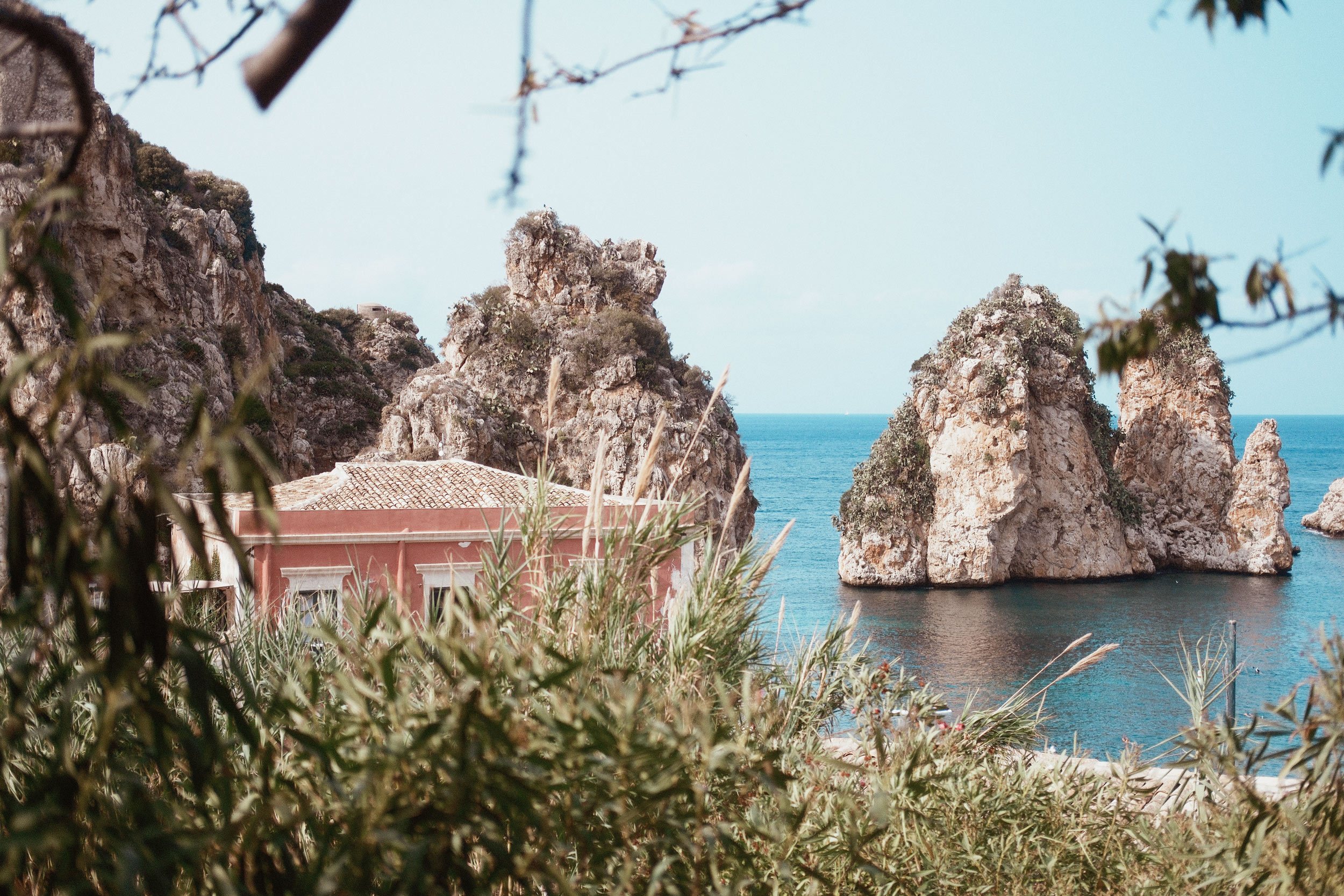
La Dolce Vita Begins at Home
Some places call to us before we even know why. They may be distant, unfamiliar, or unseen, and yet they speak to an inner part of us that feels both rooted and renewed. We often ask ourselves where the perfect place to live might be. Not in terms of convenience or investment return, but in terms of belonging.
There is a growing desire to slow down, to reconnect with space, to find a rhythm of life that feels meaningful. We seek places where the land speaks, where the architecture holds memory, and where the culture invites us to stay rather than rush.
Italy offers more than a picturesque backdrop; it offers an invitation. With its layers of beauty, history, and everyday poetry, it draws those who seek a life built on substance and sensation. It is not a fantasy—it is a possibility waiting to be shaped.
It promises a lifestyle made of small joys, rich textures, and ancient rhythms.
This article is for those dreamers who are ready to make that vision real. Whether you wish to buy, restore, or build a home in Italy, this guide will help you navigate the journey with clarity, confidence, and grace.
“You can’t blame the sea for being beautiful. Italy is the sea.”
Paolo Neruda.
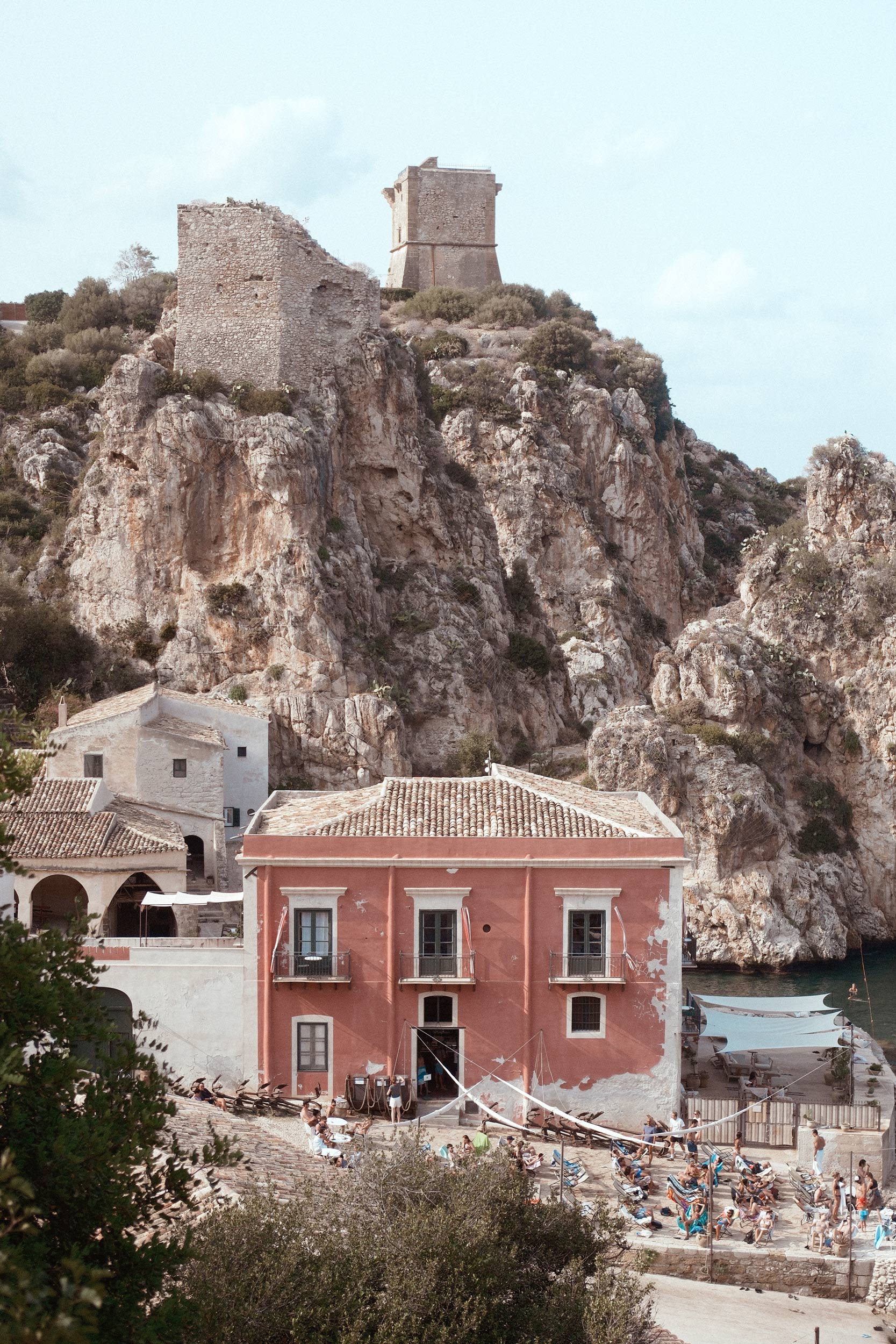
Why Italy? Why Now?
Italy is a country that rewards those who slow down. In a world obsessed with speed and novelty, its enduring appeal lies in the way it honors tradition, beauty, and the quiet pleasure of daily rituals. From the rolling hills of Tuscany to the sun-drenched villages of Puglia, Italy offers not just scenery but soul.
For people around the world seeking a deeper, more beautiful way of living, Italy has become a point of reference—a place where culture, tradition, and lifestyle converge in meaningful harmony. The real estate market offers attractive prices compared to other Western countries, especially for historical or character-filled properties. Legal and tax structures, including flat tax regimes and residency pathways, make the purchase more accessible and appealing.
But beyond numbers and contracts, it is the atmosphere — the wine at lunch, the sound of church bells, the light at dusk — that convinces people to stay.
Choosing the Right Property
Italy offers an extraordinary range of possibilities when it comes to finding a home. You might be drawn to an apartment nestled within the stone walls of a Renaissance city, where every window frames a frescoed skyline. Or perhaps it is a secluded farmhouse that calls to you, surrounded by olive trees and warmed by the smell of woodsmoke in winter. There are also contemporary villas perched above the sea, and converted convents, palazzi, or masserie waiting to be reimagined.
Each type of home comes with its own nuances: architectural history, preservation regulations, landscape conditions, and access to local infrastructure. But more than anything, it is about resonance. The right home is the one that reflects not just how you want to live, but how you want to feel.
“We are all pilgrims who seek Italy.”
Goethe
The Buying Process
Buying property in Italy is a ritual in itself—a process that blends the practical with the poetic. It starts not with a signature, but with a vision. Before anything else, you must define what kind of life you want to create. Are you dreaming of vibrant piazzas and morning markets, or do you long for countryside solitude, sea breezes, or proximity to world-class art and food? These decisions will inform every step that follows. Here is a clear and actionable overview of the process:
Step 1: Obtain a “Codice fiscale”
This is your Italian tax identification number, required to sign any legal documents or open financial accounts. It can be obtained through the Italian Revenue Agency (Agenzia delle Entrate) or via an Italian consulate abroad.
Step 2: Open an Italian bank account
Necessary for transferring funds, paying deposits, and managing ongoing utility and renovation expenses. Most major Italian banks allow non-residents to open accounts, though documentation requirements vary (typically passport, codice fiscale, and proof of address).
Step 3: Assemble your local team
A solid team should include: An architect to assess the property’s condition and potential . A real estate agent (preferably bilingual) who knows the local market and negotiation customs. A legal advisor who ensures your rights are protected and all documents are clear and valid. A notary (notaio) who performs the final legal checks and formalizes the deed.
Step 4: Make an offer – Proposta d’acquisto
Once you find the right property, your agent submits a written offer to the seller. This often includes a small deposit (€5,000–€10,000 depending on the property value) held in escrow.
Step 5: Sign the preliminary contract – Preliminare
This contract outlines price, conditions, and timelines. A deposit of 10% to 30% of the total property price is typically paid at this stage. It also allows time for due diligence: checking land registry records, verifying that no debts are tied to the property, confirming zoning permissions, and inspecting technical plans.
Step 6: Final deed of sale – Rogito
Signed in person or by proxy in front of a notary, the “rogito” is the definitive contract. At this point, the balance of the payment is transferred, the deed is registered, and the property officially changes hands. Notary fees usually range from 1% to 2.5% of the sale price, depending on complexity.
Depending on the region, type of property, and transaction complexity, the entire process may take anywhere from 6 to 16 weeks. Additional costs include:
- Registration taxes: typically 2% (first home) or 9% (second home or non-residents)
- Legal and technical translations (if required)
- Architectural due diligence fees, especially if renovation is planned
Each phase requires attention to detail, cultural sensitivity, and accurate translation—not just of language, but of expectations. With the right team by your side, the entire experience can become a joyful and fluid part of your story.
Beyond contracts and signatures, buying a home in Italy is about establishing a presence, creating legacy, and embracing a new way of belonging.
Every phase can be elegant and smooth when guided by professionals who speak both the language of bureaucracy and of beauty.
Designing from the Ground Up
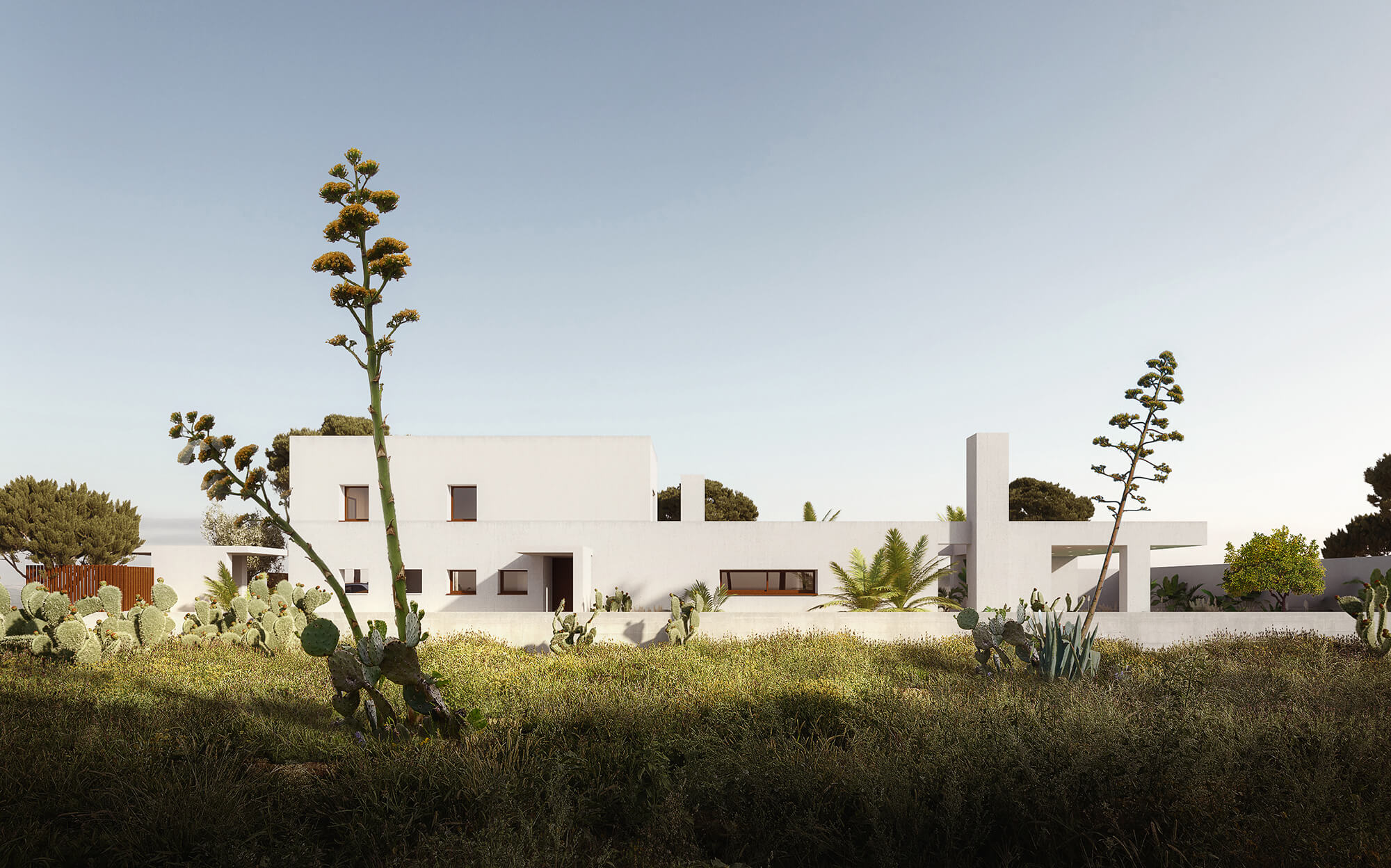
For some, the ultimate freedom lies in creating something entirely new. In Italy, new builds are not just permitted; they are celebrated when done thoughtfully. The process of building from scratch requires careful navigation through zoning laws, environmental approvals, and cultural considerations. But it also offers unparalleled creative possibility.
Working with an architect from the beginning allows you to integrate your vision with the character of the land. Orientation, light, materials, and proportion all shape the experience of living. From large glazed walls that frame olive groves to quiet courtyards for evening gatherings, every detail speaks to a way of life.
At Alepreda Architecture, we believe that architecture is more than shelter. It is memory, identity, and invitation. Our approach combines global sensitivity with Italian rootedness, helping clients bring to life homes that are deeply personal and poetically placed.
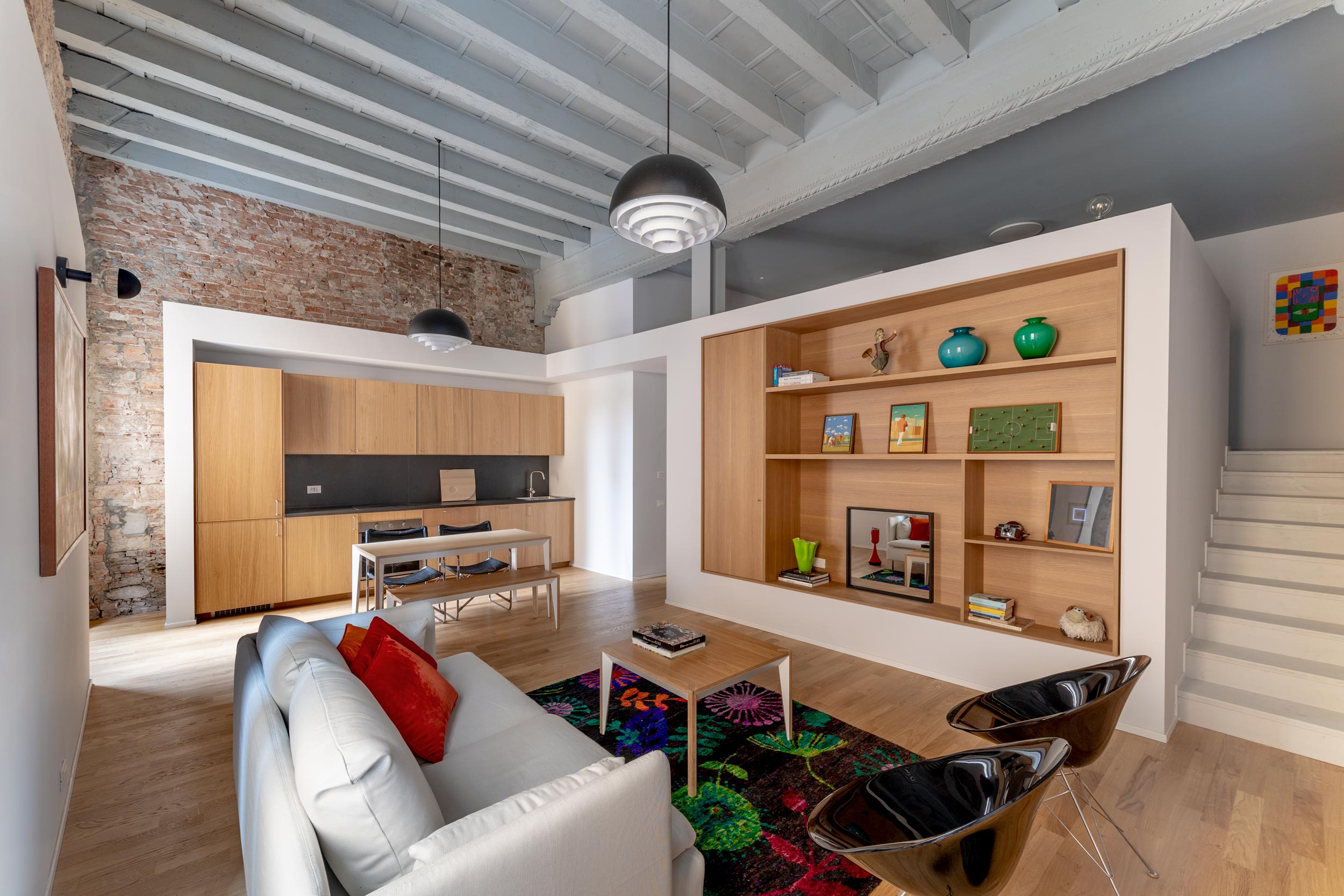
The Restoration Journey
Restoring a home in Italy is not about fixing what is broken, but revealing what is hidden. A crumbling stone wall might hide centuries of craftsmanship. A dark corridor could be transformed into a sunlit gallery. But this kind of work requires sensitivity, patience, and above all, a respect for what already exists.
Italy’s restoration landscape is rich and layered. Many regions offer tax incentives or grants for preservation work. Building codes vary by municipality and often include requirements for heritage protection or energy efficiency. Materials are often sourced locally, and traditional building methods are prized over industrial solutions.
But the true reward of restoration is personal. It’s the intimacy you develop with your home, the narrative you build over time. It is about taking part in a continuum of lives and stories, adding your own chapter to the architecture of place.
Understanding Costs and Bureaucracy
Italy’s real estate process is formal and well-regulated, but it can also be opaque to those unfamiliar with it. Expect to encounter costs related to taxes (registration, cadastral, and mortgage), notary fees, legal translations, and, in the case of restoration or new builds, professional design and construction fees.
There are also ongoing costs to consider: property taxes, utilities, and maintenance. However, these expenses are generally lower than in other luxury markets, and the value they bring — living in a home that nurtures your well-being — is immeasurable.
Having a local team allows you to manage expectations and timelines while making the most of opportunities such as regional grants, reduced VAT for renovations, or simplified building procedures in certain zones.
“What is it about Italy that makes you feel so alive?”
Erica Jong
Where to Look
Each region of Italy tells a different story. Tuscany offers harmony, where architecture and landscape seem to breathe in unison. Puglia is rising in visibility for its blend of raw beauty and contemporary creativity. Lake Como is elegant, almost cinematic. Umbria is more intimate, a spiritual retreat. The cities offer connection and culture, while Sicily and Sardinia offer myth and isolation.
Finding the right place depends on how you want to feel each morning, what kind of community you desire, and how far you want to be from an airport. There is no formula. But there is always a place that will feel, unmistakably, like yours.

More Than a Purchase:
A Creative Act
To buy a home in Italy is not simply to acquire a property. It is to make a declaration. It is to say: I choose beauty, time, history, and presence. And to do so wisely, you need someone who understands what lies beneath the surface. Someone who can decode not just the legal system, but the architectural language, the unspoken rules, the local wisdom.
That’s what we offer. At Alepreda Architecture, we accompany our clients with care, discretion, and a deep love for this country and its infinite forms of living.
Who We Are
Alepreda Architecture was founded on the idea that a home should speak both to the soul and to its surroundings. Our projects reflect a dialogue between tradition and innovation, local craftsmanship and international vision. We guide clients from the first conversation to the first night in their new home, whether it is a historic apartment, a rural villa, or a house designed from the ground up.
Our work is both personal and precise, grounded in empathy, context, and timeless aesthetics.
“Italy offers one the most precious of all gifts — the sense of beauty.”
Henry James
Conclusion:
Begin Your Italian Chapter
Italy is not just a place to live. It is a place to begin again.
A place where architecture becomes identity, and life takes on a new rhythm of beauty, meaning, and connection.
If you’re ready to make this dream tangible, start with the right partner.
Contact Alepreda Architecture today and let us help you turn your Italian vision into a home worth living in.